A bit of a preview of the new podcast. It will take three days to go up on itunes, but the feed archive is http://gamesfromfolktales.libsyn.com/podcast. I’ll eventually integrate it with this blog,. using tags and imbedded audio players and so on, but there’s a sneak peak.
Read MorePodcast planning
Atlas Games have given me permission to go ahead with a podcast. I already record books into the public domain, so I have the gear and software, and I’m working through the hosting details. I hope to go live either this week or next. It looks like I’ll be using Libsyn as my host, and their…
Read More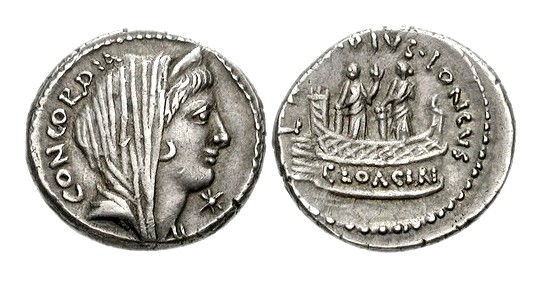
Sacrificing Horace to Cloacina
A quick excerpt from my reading this week. I knew a gentleman, who was so good a manager of his time, that he would not even lose that small portion of it, which the calls of nature obliged him to pass in the necessary-house; but gradually went through all the Latin poets, in those moments.…
Read MoreContinued thoughts on a simplifed version of Ars Magica
Deep Ars Magica mechanical nerdiness follows. If you read the blog for the folklore, see you next time, because this is as crunchy as it gets. Might it be possible to realign the two experience systems by making the mundane skill system Verb and Noun, and using the triangular scale? My idea is as follows:…
Read More
What do your hands say in Mythic Europe?
In roleplaying games, spellcasters generally make arcane gestures with their hands. In Ars Magica, spells are easier to cast if the character can make sweeping gestures. Spellcasting with subtle gestures is a hindrance, and casting without gestures deepy limits a magician’s power. Your character’s hands are doing something, and that something affects fundamental universal forces: what’s…
Read More
Covenants are the perfect places for mass hysteria
Mass hysteria, for the purposes of this article, refers to the manias in which a group of people all begin to exhibit shared physical or psychological symptoms, for which there is no direct cause. The earliest recorded are the dancing manias which swept Mythic Europe. Mass hysteria is poorly understood, but documented cases have several…
Read More
Thoughts on the itinerarium
In Ars Magica, magicians have final tests for their apprentices. The fire magi drop them in a dangerous place with no gear, and wait for them to come back. The mystics have vision quests. The House most interested in mundanes has a written test, which I imagine was based on the Confucian tests in the…
Read More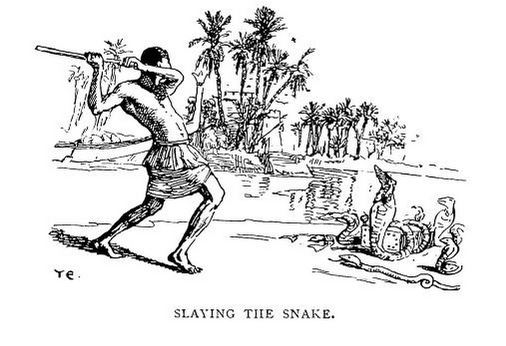
Gods can’t see you in roleplaying games
I’ve just finished recording some Ancient Egyptian folktales for Librivox, and I’m particularly interested by the story of Naneferkaptah, in which he steals the spellbook of Thoth, who is the god of wizardry. He does this using various spells that allow him to create the sorts of living statues which haunt so many dungeons. He…
Read MoreGorgias and historical conspiracy theories.
In Houses of Hermes : Mystery Cults, I mentioned Gorgias a lot, as his descendants were designed as an escape chute for players wanting to design classic Criamons. Turns out Gorgias used to annoy the followers of Socrates. Hank Green has the story here:
Read More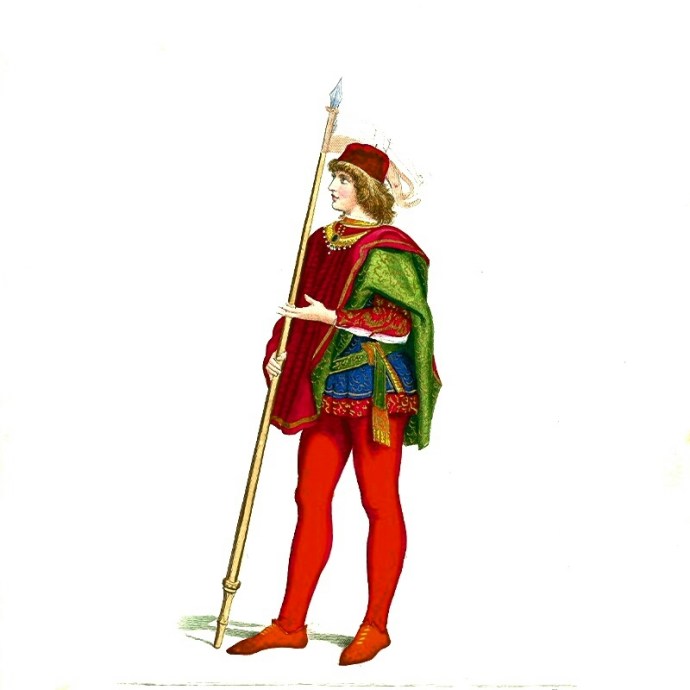
Dressing like a murder hobo
Clothing isn’t really a matter of choice in much of historical Europe. What you wear isn’t so much fashion as a method of telling people how you deserve to be treated. Many games don’t deal with this at all: people wear whatever, mechanically, gives their characters the biggest bonuses. Their clothes don’t look like a…
Read More Games From Folktales